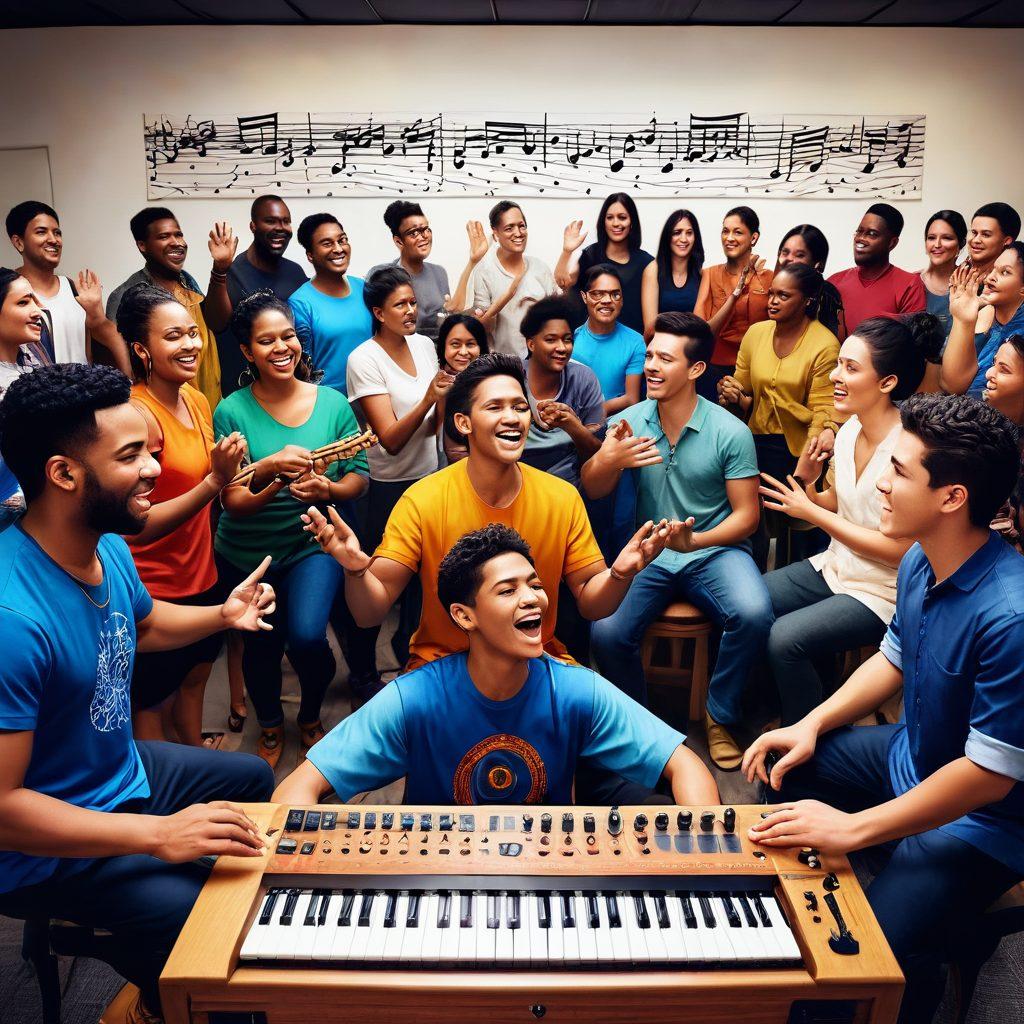
Harmonizing Silence: Exploring Soundscapes and Inclusive Entertainment for the Deaf Community
In a world where the importance of inclusion is paramount, the entertainment industry has a profound role to play, especially concerning the deaf community. Imagine a concert where the vibrations of musical tones ripple through the crowd like a living entity, telling a story without a single note being heard. How can we unlock this world of sound and further engage those who perceive sound differently? The innovative approaches to inclusive entertainment are aiming to bridge that gap, enriching the audiovisual arts landscape for everyone, regardless of their auditory abilities.
Imagine walking into an art exhibit where every piece doesn’t just captivate the eyes but also engages the soul through meticulously crafted soundscapes. For individuals with deafness, this experience is about more than just visual art; it's a dive into a world where accessibility features usher them into conversations that transcend language. As one artist once said, ‘Art is the most beautiful of all lies,’ but when we discover ways for sound design to intersect with visual media, we find a powerful truth that elevates artistic expression to new heights—an experience that resonates with cultural diversity too!
The beauty of inclusive entertainment lies in its ability to offer sensory experiences that evoke emotions, nurture creativity, and create bonds—without being limited by traditional communication methods. Virtual events have surged, especially post-pandemic, making it essential to examine how we can make audio experiences accessible to everyone. Could the carefully orchestrated mixes of sounds be paired with sign language or captioning to ensure full engagement? The synergy between music for the deaf and visual elements can lead to captivating content that speaks to all.
Accessibility is no longer a mere afterthought; it’s a vital aspect of any production, whether a concert, a film, or an art exhibition. Incorporating features that enhance sound accessibility helps turn the entertainment industry into an inclusive realm where deaf individuals can thrive. By utilizing audio technology that translates sound into tactile vibrations or visual signals, we can tap into a full spectrum of experiences that resonate deeply with the deaf community, showing that sound isn't just heard—it's truly felt.
So, what's next for us as storytellers and creators? How can we ensure that our platforms, be they cultural events or digital spaces, nurture dialogues that incorporate everyone, particularly the deaf community? The answer lies in collaboration with deaf artists and advocates, ensuring that their voices and creative visions are at the forefront. Together, we can craft narratives that embrace diversity and celebrate the myriad ways in which we connect—and ultimately, we can transform the way the entertainment industry presents itself. The journey towards inclusive entertainment is just beginning, and it’s up to us to unlock its full potential.
Transforming Silence into Soundscapes: The Art of Accessible Audiovisual Experiences
Imagine a world where silence isn't merely the absence of sound, but an intricate tapestry of soundscapes that resonates with the soul, even in the absence of auditory inputs. For the deaf community, soundscapes can be akin to vibrant murals, crafted from musical tones and enriched through creative audiovisual arts. Gathering experiences from the entertainment industry, we can explore how sound design, imbued with accessibility features, transforms moments into joy, unity, and inclusive entertainment for all. So, how do we transform silence into experiences that invite participation from every corner of our cultural diversity?
The beauty of sound accessibility lies not only in the sounds we can hear but in the emotions they provoke within us. Think about this: when you attend a virtual event, what captures your attention? Is it the ambient sound or the visuals? For the deaf community, the appeal of audiovisual experiences often thrives on the imaginative interplay between visuals and tactile elements. And let’s not forget how communication methods, like sign language, beautifully integrate with these soundscapes, creating a rhythm of its own that tells a story and engages deeply with participants.
Notions of accessibility in entertainment are evolving rapidly, paving the way for immersive experiences where everyone feels included. Enter the world of audio technology that bridges gaps, allowing the deaf community to enjoy music designed specifically for them. Imagine concerts where vibrations are felt, rather than just heard; soundscapes that embody the essence of each note, enveloping you in a cocoon of artistic expression. It's here that we see the power of music for the deaf, where audiovisual arts cater to different perceptions and experiences, launching us into a realm of creativity that's beyond sight and sound alone.
The deaf community's experience is rich and complex, often translating into unique forms of engagement. Multimedia presentations can weave in layers of meaning through visuals, tactile acts, and captions, creating a symphony of information that invites diverse narratives to be told. There’s an invigorating potential in how we can redefine storytelling—through art, photography, movement, and even the silent power of sign language. This is where a cultural synergy can emerge, connecting hearts beyond barriers and opening doors to shared experiences. What's a story you cherish that could be told through the lens of inclusive entertainment?
Ultimately, engaging in the audiovisual arts is not just about providing access; it’s an invitation to share, celebrate, and embrace our differences. The journey to better sound accessibility is ongoing, powered by our collective creativity. As we delve deeper into explorations of sound design and conceptualize new methods of interaction, let us ponder: how can we further enrich the soundscapes that shape our experiences? By acknowledging and integrating the voices of the deaf community, we transform the silence into something spectacular—a harmonious dialogue finally blossoming into a broader understanding of inclusivity.
Bridging the Auditory Gap: Enhancing Cultural Diversity through Music and Technology for the Deaf Community
Imagine walking into a concert hall where the lights dance rhythmically, and vibrant visuals pulsate alongside the music. This imaginative experience is not just a dream for many; it's a reality that the deaf community is beginning to embrace through innovative soundscapes and audiovisual arts. The concept of bridging the auditory gap is pivotal to creating inclusive entertainment that reflects the rich cultural diversity of our world. How can we, as a society, enhance these experiences for the deaf community? The answer lies in music, technology, and a collaborative spirit that fosters accessibility features for all.
Music is a universal language, but for those with deafness, the barriers can often seem daunting. However, as technology progresses, we witness a renaissance in how audio experiences are designed and delivered. Companies in the entertainment industry have begun experimenting with sound design that is not solely dependent on auditory inputs but instead harnesses the power of visual stimuli. Imagine sound waves converted into vibrant colors or visual beats that translate musical tones into a tapestry of life. The result? A breathtaking symphony that can be felt, seen, and experienced, opening new avenues of communication methods for interaction and enjoyment.
Take a moment to consider this: How can we appreciate music if we can’t hear it? The answer may surprise you! For the deaf community, music can be experienced through vibrations, visualizations, and even sign language. Music for the deaf takes on a new meaning, as artists and performers embrace these unique perspectives to create immersive virtual events and multimedia performances. For instance, installing specialized subwoofers capable of transmitting vibrations can turn a standard concert into a heart-pounding experience, allowing everyone to feel the music in their bones. As we adopt these audio technologies, we strive to create a world where everyone, regardless of their hearing ability, can partake in the magic of sound.
The journey towards inclusive entertainment is not just about technology; it’s about fostering understanding and cultural diversity. A concert featuring a deaf artist who effortlessly integrates sign language and dance into their performance can offer a fresh insight into the world of music. It challenges prevailing narratives, encouraging both deaf and hearing audiences to appreciate the art form from different angles. The collaborative effort among artists, sound engineers, and the deaf community is a catalyst for change, demonstrating that accessibility features enrich everyone’s experience, leading us to a shared appreciation of the arts.
As we promote the importance of sound accessibility, it's essential to ask ourselves: What can we do to further develop these inclusive practices within our communities? Advocating for policies that require accessibility features in venues or supporting artists who represent diverse experiences in their work can ignite a movement toward change. The future of entertainment is promising, with opportunities that transcend traditional boundaries. Through music and technology, there is potential to create a world that harmonizes silence and sound, allowing the deaf community to thrive in a vibrant, inclusive cultural landscape.